
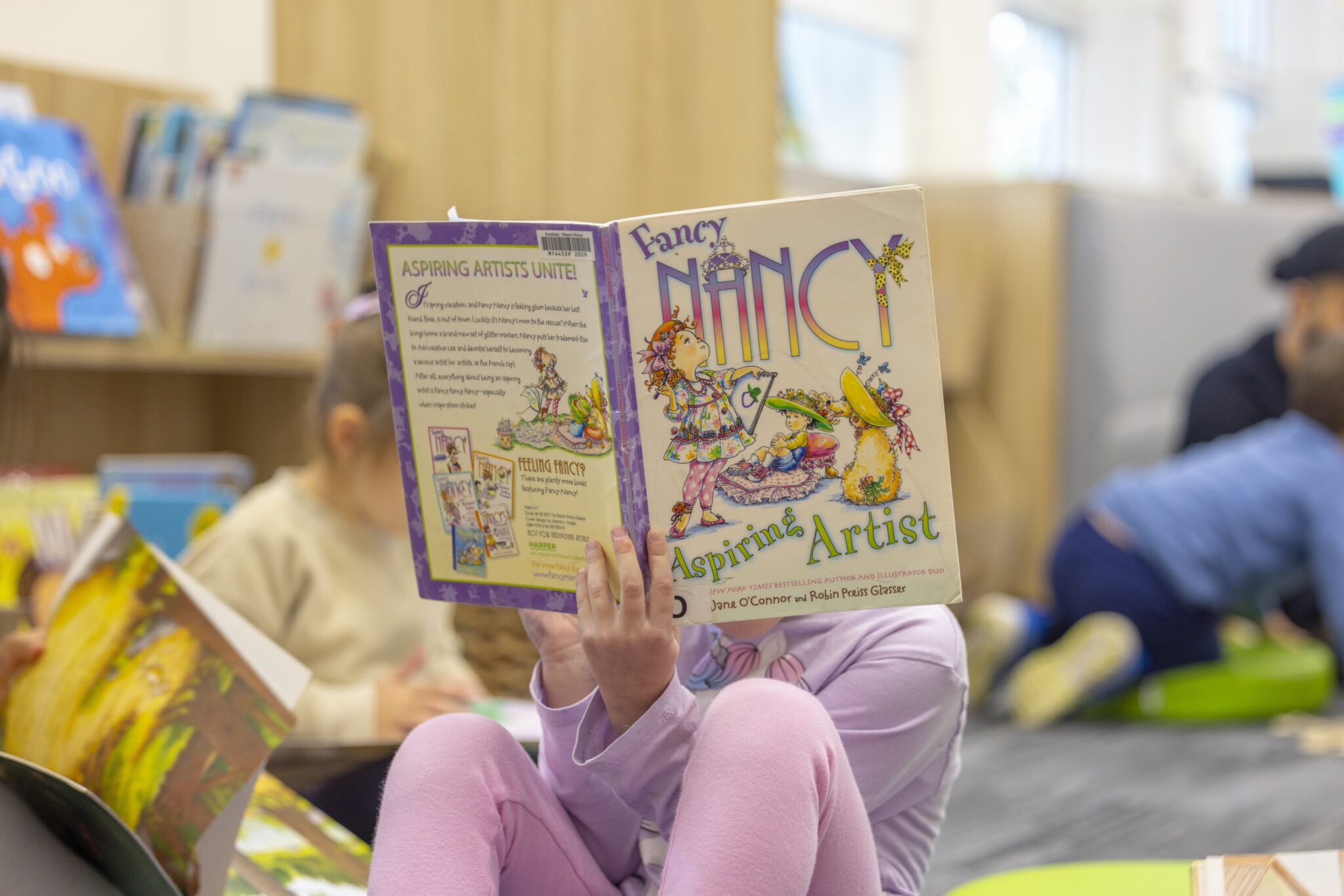
In our increasingly fast-paced world, the simple act of sitting with a good book offers more than just entertainment, it can be a powerful tool for wellbeing. Reading fiction, in particular, provides children with the opportunity to step into someone else’s shoes, building empathy, emotional intelligence and a deeper understanding of themselves and the world around them. According to award-winning teacher-librarian and author Megan Daley in her book Raising Readers, stories help children “make sense of their place in the world” by providing emotional scaffolding through characters and plots they can relate to, learn from, and be comforted by.
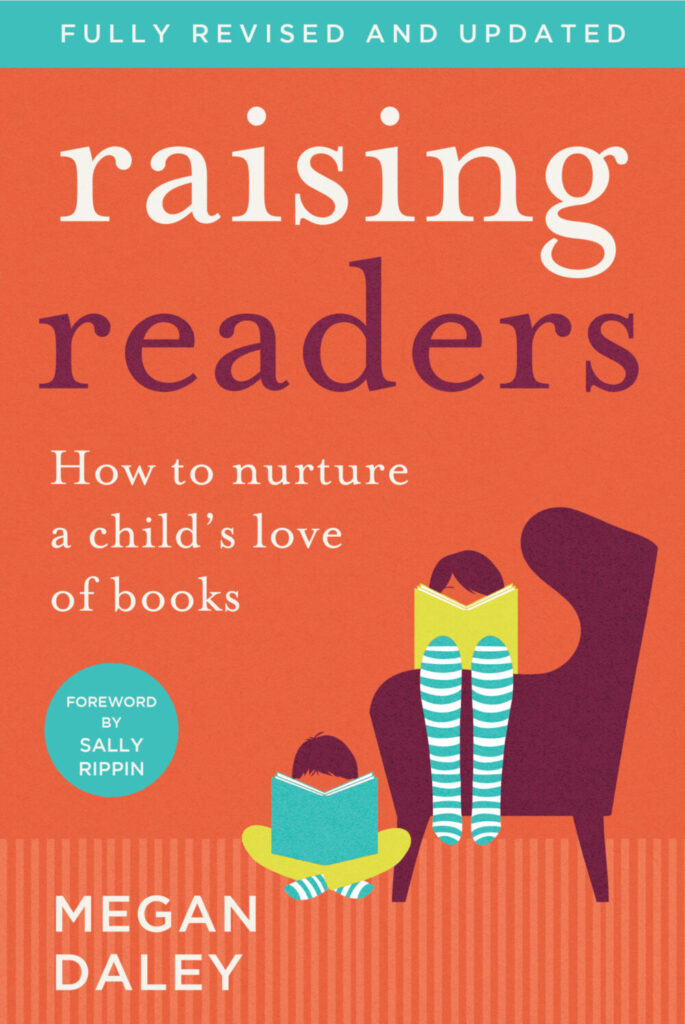
Daley highlights how fiction cultivates a child’s capacity for connection. When children immerse themselves in story, they engage with complex ideas, confront challenges alongside characters, and learn that emotions such as joy, sadness, fear, resilience, are both universal and manageable. This emotional engagement not only supports literacy development but contributes significantly to a child’s mental and emotional wellbeing. Books become safe spaces for children to explore tricky topics, build language for feelings, and experience a sense of belonging through the characters they meet.
Moreover, shared reading moments, whether between parent and child or in the classroom, create rituals that support security and attachment. Daley writes passionately about how these shared stories foster a love of learning and a sense of calm, often providing a soothing counterbalance to busy family lives. In these moments, reading becomes a tool for connection, not just comprehension.
As we nurture our young learners, prioritising fiction is not simply about improving reading skills, it’s about growing kinder, more reflective and resilient humans. With Megan Daley’s work as inspiration, we are reminded of the quiet, transformative power of story in every child’s day.
Mr Stuart Coppin
Deputy Principal – Head of Junior School