
Recently, I had the privilege of attending the IB Regional Conference in Daegu, South Korea, alongside hundreds of IB educators from across Oceania. One of the most stimulating and relevant workshops focused on prioritising student wellbeing, particularly reflecting on what students have been saying about their wellbeing in the two years leading up to their final IB examinations. Two prominent hurdles identified by students were procrastination and stress. I believe some Kambala girls might express similar concerns about their wellbeing.
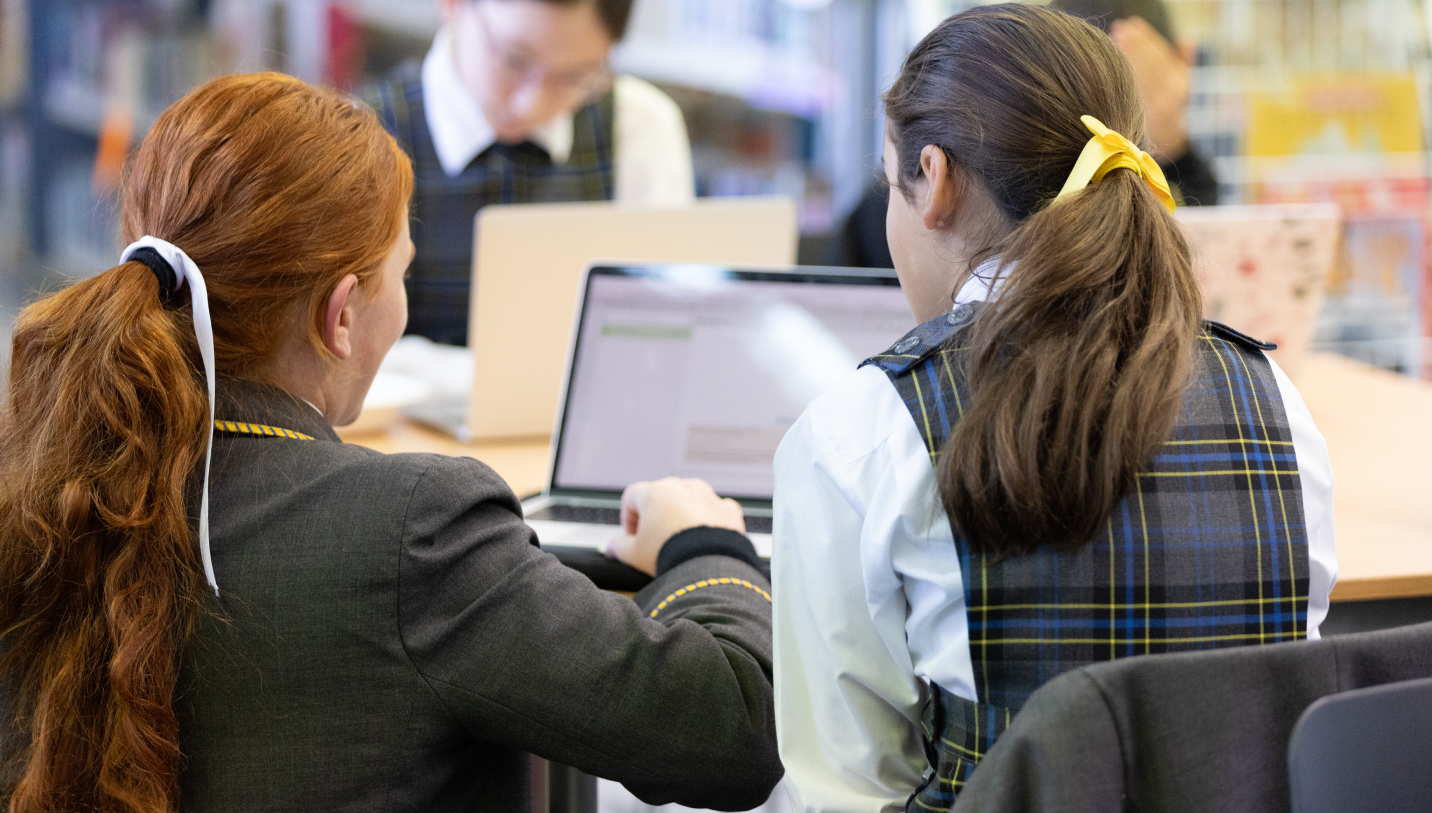
Another critical aspect of wellbeing I am interested in is digital distraction, specifically the impact of attempting to multitask while learning. Multitasking often involves juggling social media, devices, and learning tasks, which is particularly relevant for students worldwide due to the ease of distraction both inside and outside the classroom. Anecdotally, some girls claim they can multitask and study without negatively affecting their learning. However, I would argue that multitasking is an illusion and that stress can develop as time is lost to chronic distraction by social media and pinging alerts.
A study by Kostić and Ranđelović (2022) indicates that students underestimate the time digital distractions consume while studying. As students periodically shift their attention to devices, they lose valuable learning time and create pressure to finish quickly to meet deadlines or move to the next task. Kostić and Ranđelović’s data shows that students were distracted by digital devices as early as six minutes into a study session, highlighting that digital devices can seriously hinder learning by wasting valuable time.
Given the pervasiveness of digital distractions, it is essential to explore strategies to help students reduce stress and anxiety by avoiding these distractions. Banning devices entirely does not seem to lead to undistracted students. However, Kostić and Ranđelović suggest one tried and trusted approach: handwriting notes from lessons. Research shows that taking notes by hand in class and revising them at home can lead to better retention. Let’s encourage our students at home to close their laptops, review their handwritten notes, and see if revising an extensive portfolio of these notes helps them feel a more secure sense of accomplishment and security in their accumulated learning. A strategy like this will help reduce feelings of stress as summative examinations approach.
Cited: Opsenica Kostić, Jelena & Ranđelović, Kristina. (2022). DIGITAL DISTRACTIONS: LEARNING IN MULTITASKING ENVIRONMENT. 301-304. 10.36315/2022inpact070.
Phillip Bird
Head of International Baccalaureate