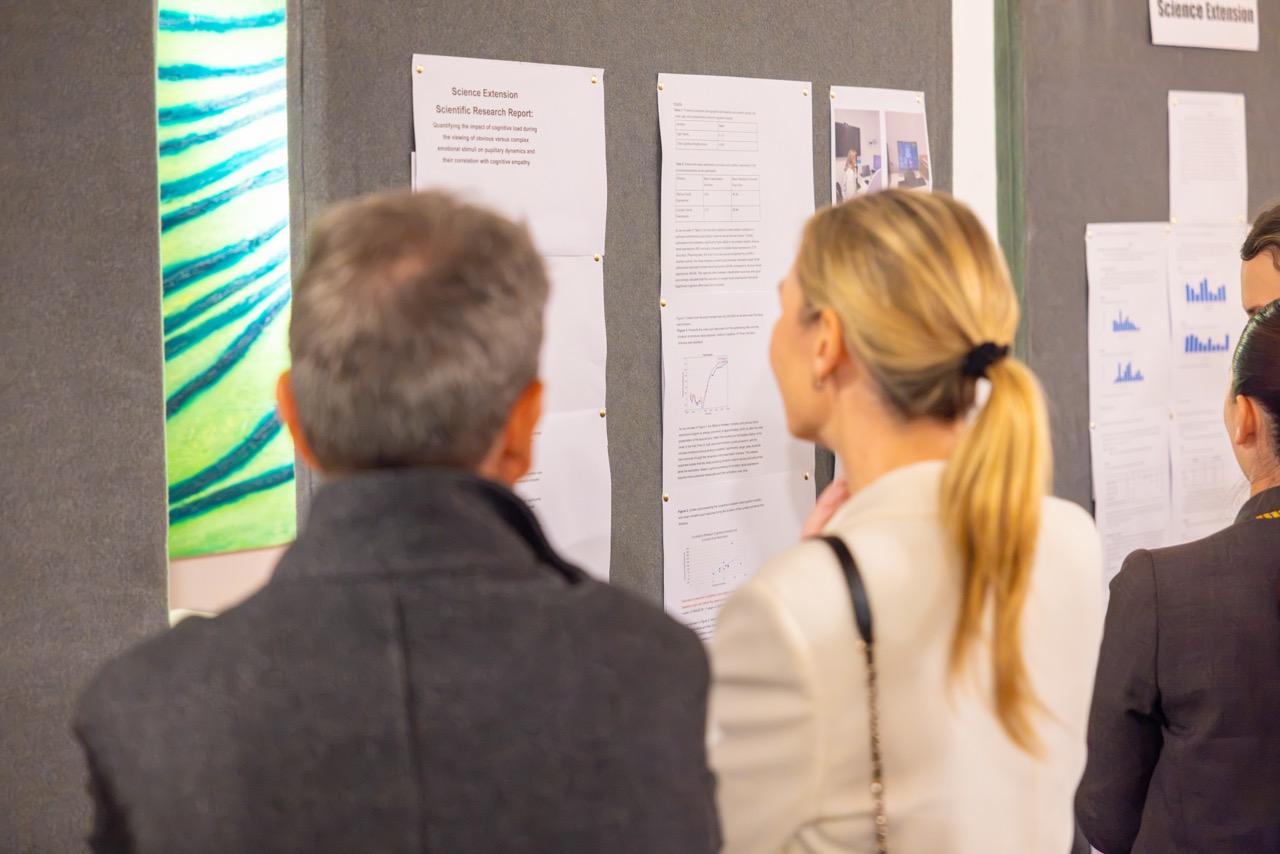
Imagine chasing down the exact science questions that’s been living rent free in your brain, that’s Science Extension.
Science Extension is a 1-unit course offered as part of the HSC, which students can elect to study when they reach Year 12. Each girl chooses her own research question and designs her own investigation. This means whether you are passionate about astrophysics, environmental science, or marine biology, you get to explore a field you genuinely enjoy. It also offers you a taste of university-level work by allowing you to design your own experiment, analyse data, and think like a real scientist allowing you to challenge yourself and build high-level research skills.
The Scientific Research Project allows you to further your scientific studies in a specific field that you might not otherwise be able to learn about in such detail. With no restricted guidelines on what content your research needs to cover, you can further your studies in high school biology, chemistry or physics and develop a deeper understanding or research on something entirely new within a topic such as psychology or geology. Completing the project develops your research skills and mirrors university level papers, allowing students to easily implement these skills further in their tertiary studies.
To our students, if you are curious about a certain area within biology, chemistry, physics or psychology and want to take some control over your own learning, definitely consider taking Science Extension.
More than anything, it’s really FUN!!
Take a look at some of the Class of 2026’s research questions!
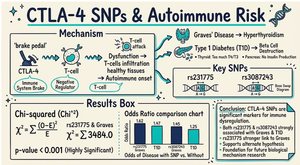
Is there a positive correlation between SNPs in the CTLA4 gene and autoimmune diseases such as Graves disease and type 1 diabetes, as observed in patient data from the GWAS catalogue?
By Emily
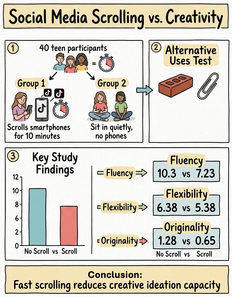
Does social media scrolling impact divergent thinking in teenage girls aged between 16 and 18?
By Mila
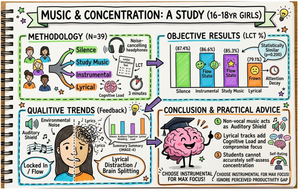
How does background music type (silence vs. instrumental vs lyrical vs study) affect concentration (as measured by the LCT) during a study-style task in 16-to-18-year-old females?
By Izzy
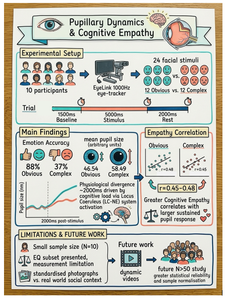
How do pupil responses differ when processing different types of stimuli, specifically obvious versus complex emotions, and how do those responses relate to the personality trait of Cognitive Empathy?
By Olivia