
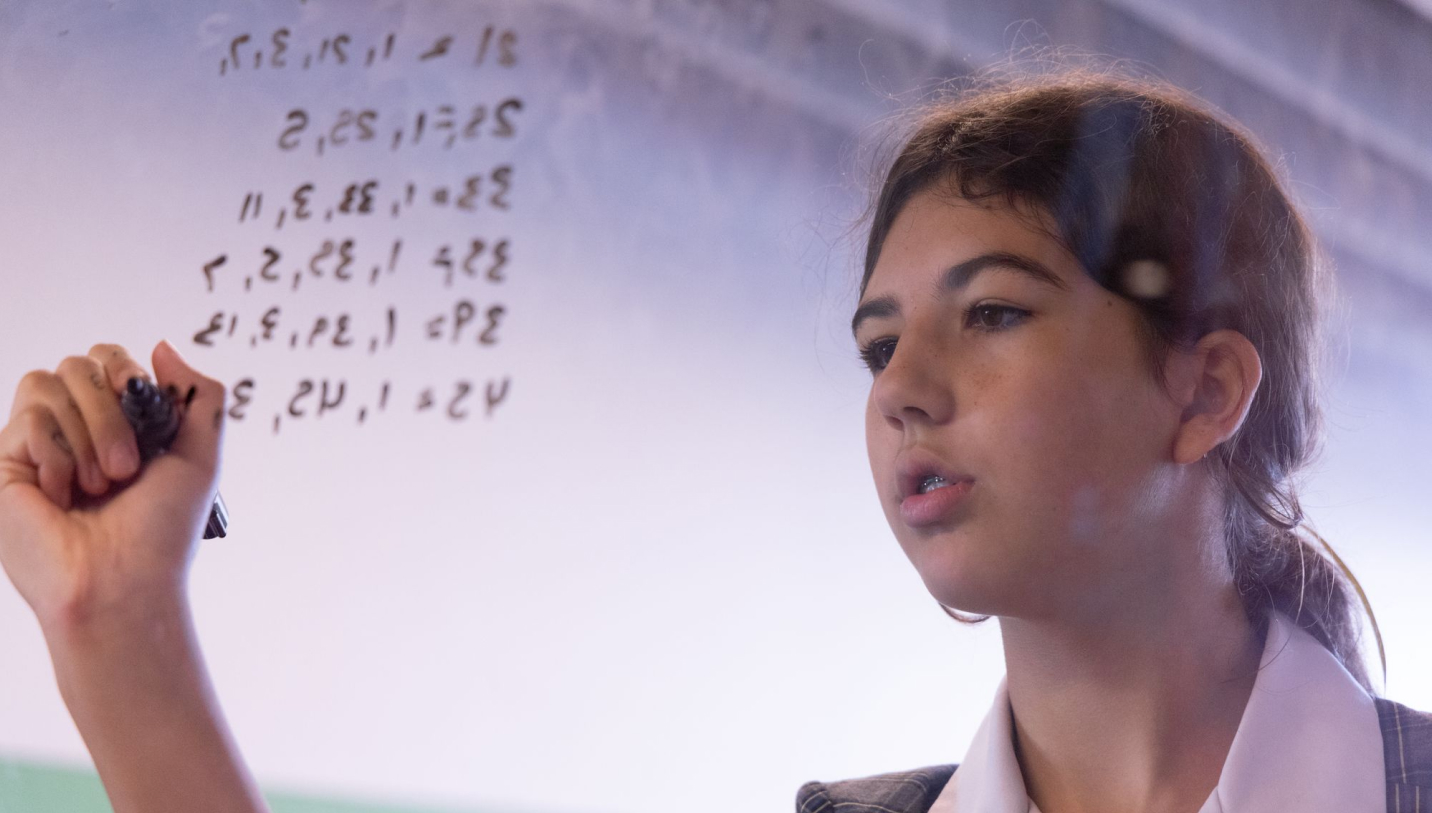
Before reaching Years 11 and 12, many Australian students are already considering or even making decisions about their future. For generations, the Higher School Certificate (HSC) has been the clear pathway for NSW students wanting to pursue university education. Now, the International Baccalaureate (IB) is emerging as a prestigious contender. This is a globally recognised qualification that’s gaining ground in some Australian private schools including Kambala. Kambala is one of the few schools in the Eastern Suburbs of Sydney that offers both the Higher School Certificate (HSC) and the International Baccalaureate Diploma Program (IB DP).
Founded in Geneva in 1968, the IB DP caters to internationally mobile families and emphasises holistic education, critical thinking, and global perspectives. Unlike the HSC, which is designed for all NSW students, the IB DP specifically prepares students for university. A significant distinction is that while HSC Year 11 courses lay the groundwork for Year 12 but don’t count towards the final assessment, both years of the IB DP are integral to the final evaluation.
The curriculum structure of the IB DP also sets it apart. HSC students select from a wide range of subjects, resulting in approximately 27,000 course combinations, with English being the only mandatory subject. In contrast, IB students must study subjects across disciplines: sciences, humanities, mathematics, English, and a foreign language. They can opt to take two sciences, two foreign languages, or two humanities subjects instead of an arts subject. Three of these subjects are pursued at a “higher level,” demanding greater knowledge, understanding, and skill, with courses featuring open-ended questions and problem-solving, taught over 240 hours. The remaining subjects are taken at a “standard level” with 150 hours of instruction.
A distinctive feature of the IB DP is its strong focus on critical and creative thinking, as well as conceptual understanding, which are valued more than mere content recall. This focus is evident in the program’s requirements beyond traditional subject study. IB students undertake a 100-hour Theory of Knowledge course that encourages them to reflect on the nature of knowledge and how we know what we claim to know. They also write a 4000-word extended essay on a topic of their choice, promoting independent research and critical analysis.