
Leadership is everywhere at Kambala. Within our KITE program, I am fortunate to work specifically alongside our teacher leaders: Heads of Year, Heads of Department, School Directors and influential teachers who are masters of their discipline and who take subtle yet powerful roles in modelling, guiding and mentoring their colleagues. Each of our teachers embraces the responsibility of leadership in their daily work in finding, recognising and developing potential in their students, or opportunities for learning more generally. Our middle and senior leadership teams extend their practice of leadership in their role as academic and pastoral leaders of staff teams. Their role and responsibility in leading both students and teachers is complex and careful work.
Research shows that by engaging in these intricate daily practices, educators who are able to think at a higher level produce students who are higher achieving, more cooperative and better problem solvers (Thinking Collaborative, 2023).
In consideration of this, a key feature of KITE is to provide our middle and senior leaders with development opportunities that capitalise upon and enhance teachers’ cognitive processes so they can respond to the busyness of school life, while ‘showing up’ and helping their people to show up too.
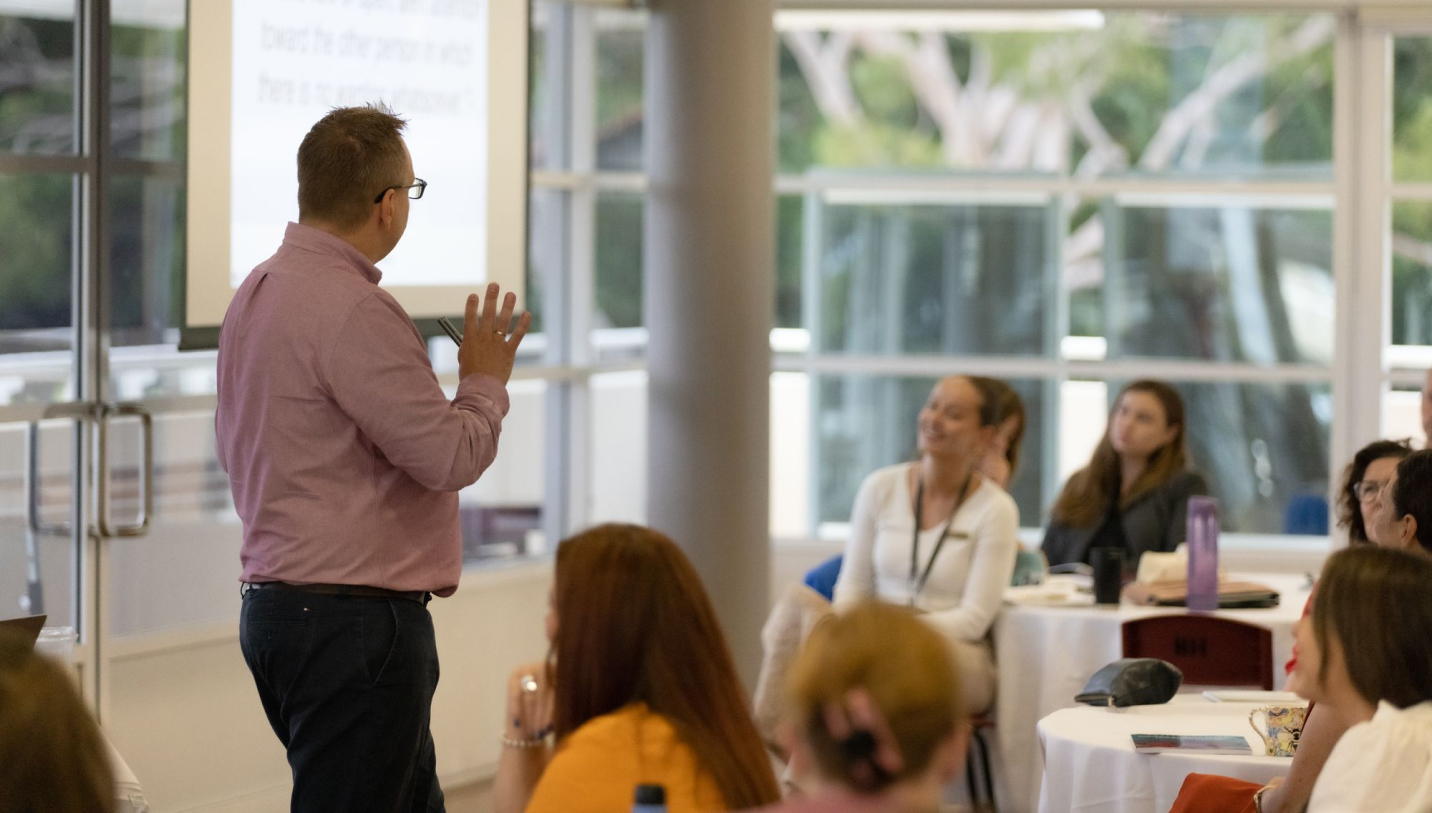
This year, under KITE, each member of our senior and middle leadership team will train as a Cognitive Coach. Cognitive Coaching is a research-based model that sees participants learn the art of intentional conversation, with a focus on how to develop trust and rapport. The course is intensive in that our leaders have spent time practising and applying the four support functions of a cognitive coach: coaching, evaluating, consulting and collaborating.
If a key responsibility of ours as leaders is to see and support potential, then cognitive coaching upskills us as deep listeners who support the thinking of others (not, simply the behaviour). In this way, we assist our people to initiate, make choices, problem solve, take action and produce new knowledge and understanding for and about themselves.